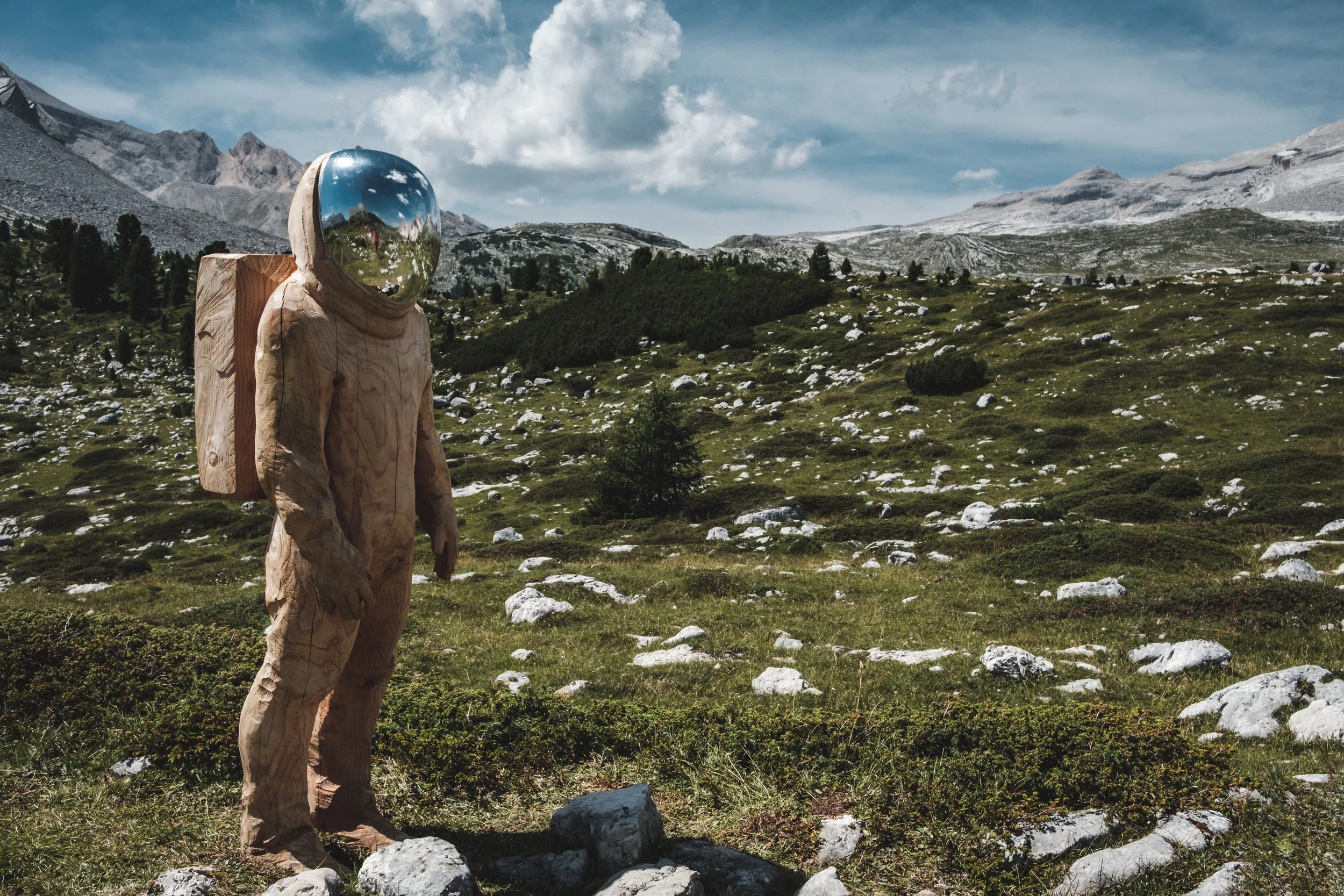
Written by NASA Engineers
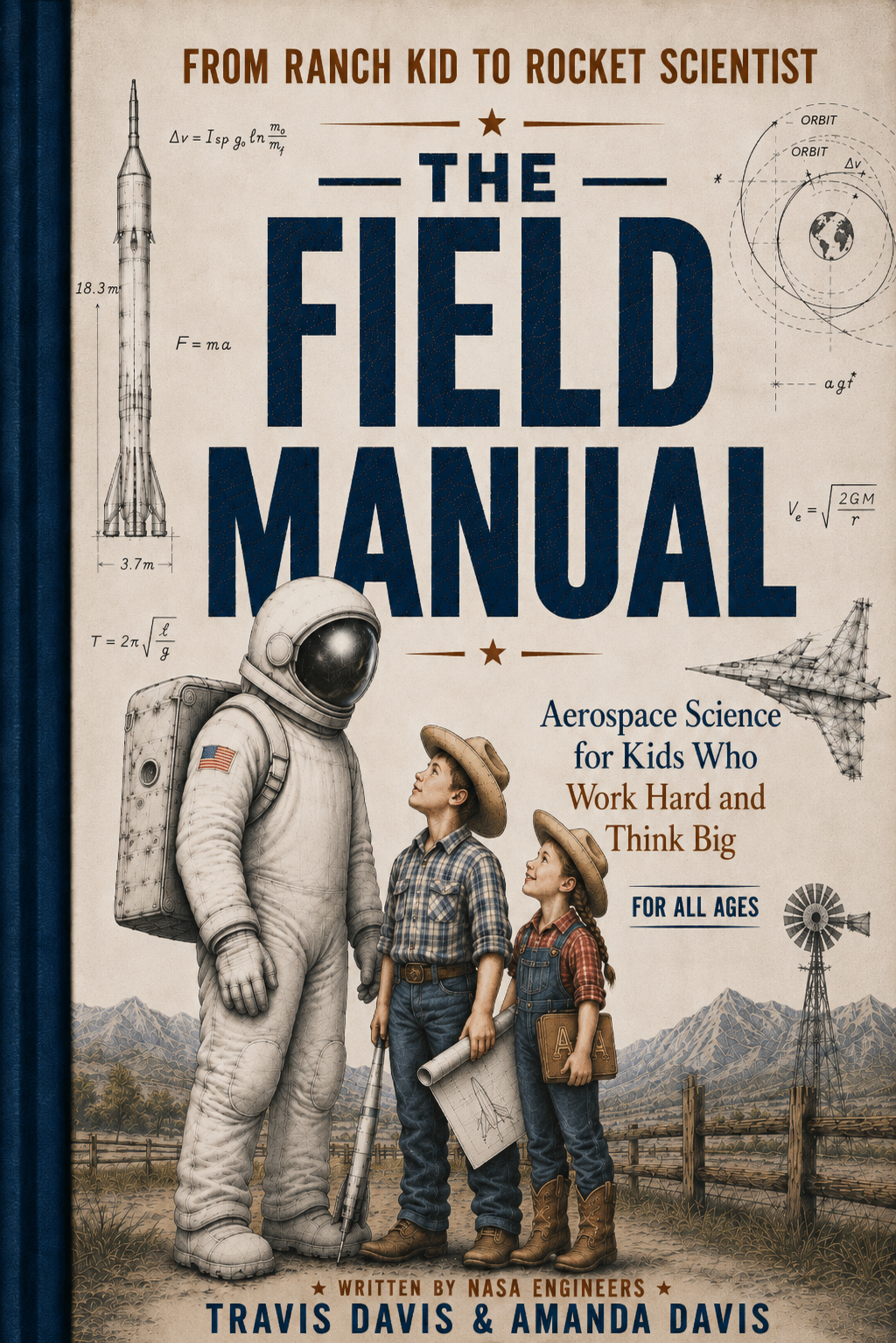
Ranch Kid to Rocket Scientist
Aerospace science for kids who work hard and Think Big
* STRUCTURAL MECHANICS
* FLUID DYNAMICS
* THERMODYNAMICS
* ORBITAL MECHANICS
* PROPULSION SYSTEMS
* ATMOSPHERIC SCIENCE
* ENGINEERING DESIGN
* MISSION PLANNING
* STRUCTURAL MECHANICS * FLUID DYNAMICS * THERMODYNAMICS * ORBITAL MECHANICS * PROPULSION SYSTEMS * ATMOSPHERIC SCIENCE * ENGINEERING DESIGN * MISSION PLANNING
The Book
Nobody told us we were already learning rocket science.
We grew up in rural America. We fixed fence, hauled hay, ran irrigation lines, pulled engines, and spent more nights than we can count looking up at a sky so dark it felt like it was trying to tell us something.
Nobody handed us a book that said, “Everything you’re doing out here is engineering.” Nobody connected the tractor's hydraulics to the rocket engine's control valve system. Nobody told us that your air compressor was a pressure vessel or that welding and running a cutting torch were metallurgy. Nobody described building a pole barn and installing trusses as structural engineering. But we understood how and why it worked.
We figured it out eventually, but it took leaving the ranch to learn what the ranch had already taught us.
This book is the shortcut where we connect the dots and unlock that understanding and opportunity for the future generation.
Nobody told us we were already learning rocket science.
We grew up in rural America. We fixed fence, hauled hay, ran irrigation lines, pulled engines, and spent more nights than we can count looking up at a sky so dark it felt like it was trying to tell us something.
Nobody handed us a book that said, “Everything you’re doing out here is engineering.” Nobody connected the tractor's hydraulics to the rocket engine's control valve system. Nobody told us that your air compressor was a pressure vessel or that welding and running a cutting torch were metallurgy. Nobody described building a pole barn and installing trusses as structural engineering. But we understood how and why it worked.
We figured it out eventually, but it took leaving the ranch to learn what the ranch had already taught us.
This book is the shortcut where we connect the dots and unlock that understanding and opportunity for the future generation.
For kids of all ages. For parents + grandparents who want their kids to know hard work was always training them for something bigger.
Pre-order your copy. Ships Q4 2026*.
Includes a free Engineering Log PDF when pre-ordered before September 2026.
tHE tHESIS
The Rural Area wasn’t holding them back. It was training them the whole. time.
“The path from ranch kids to Rocket Scientist is not a leap across a gap. It’s a straight line.”
Most kids who grow up on ranches or in rural areas never hear this. They’re told complex science happens in labs, in cities, in schools with fancy equipment. They’re told aerospace engineering is taught somewhere else and at a cost that seems daunting.
It isn’t. Every core discipline in aerospace engineering has a direct analog in ranch work, and this book maps them all, experiment by experiment, with the same precision we used at NASA.
Outdoor Experiments
Every experiment operates outside, in a shop or garage, with ranch materials or hardware store supplies. No lab required.
Engineering Disciplines
Structures, fluid dynamics, thermodynamics, propulsion, mechanics, navigation, and design process. These all happen everyday in rural America, but they are not defined as engineering in the moment, they are just the work that needs done.
NASA Engineers
Both authors grew up in rural America. Both went to NASA. Both wrote this book because they want to reframe rural area’s work ethic, as a learning opportunity that empowers our next generation to say “I can do that! I know how that works and I understand the fundamentals of why it works!”
the Authors
A ranch upbringing. A NASA career. A book their sons made necessary.
Travis and Amanda Davis both found their way from rural beginnings to NASA Marshall Space Flight Center, and back again to the Black Hills of South Dakota. Between them they have designed rocket engine components, built rocket engine test stands, monitored the International Space Station, developed NASA patents, and are raising two boys who think rocket launches and feeding cattle are equally important activities. This book is the one we wish we had when we were little.
This book is focused on bridging the gap between the hands-on know-how that we fortunately developed growing up in rural areas with the fundamentals of engineering that we have culminated in our professional careers. We now know that our rural hands-on opportunities were the foundation for our successful careers! But we also know, that in the moment, fixing/troubleshooting a broken waterline in mid-winter South Dakota, can seem a million miles away from sitting console on a 550,000 pound thrust rocket engine test. What could be seen as a hindrance or limitation, is actually an opportunity unlock for your future. We know, we have seen it first-hand!
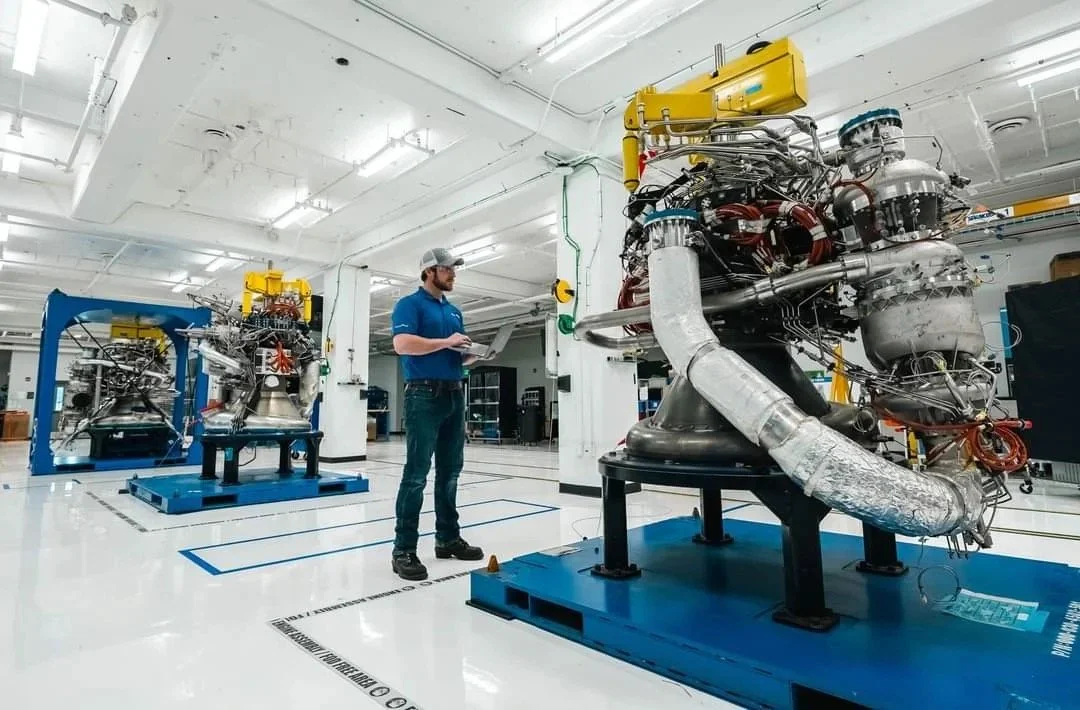
Travis Davis
NASA Aerospace Engineer · US-Ireland Alliance Scholar · Private Pilot
Travis grew up on a ranch and was a wildland firefighter before earning degrees in Mechanical Engineering from South Dakota Mines and Biomedical Engineering from Trinity College Dublin on a US-Ireland Alliance Scholarship. At NASA Marshall Space Flight Center he was a design and test engineer in propulsion systems and additive manufacturing, developing NASA patents in metal AM for rocket engine components. He later brought that experience to Blue Origin, where he led the Engine Propulsion Test team at Test Stand 4670 testing BE4, BE3U and BE7 rocket engine testing. He is a licensed private pilot and enjoys working on never-ending hands-on projects with his wife and boys in the Black Hills of South Dakota.

Amanda Davis
NASA Certified Payload Operations Controller · Engineer · CGM Specialist
Amanda grew up in rural Montana, where ranch life shaped her community and her instincts long before she arrived at NASA. As a certified Payload Operations Controller at NASA Marshall Space Flight Center, she monitored critical systems aboard the International Space Station in real time, reading data, identifying patterns, and solving problems under pressure. She now lives in the Black Hills of South Dakota with Travis and their two sons, who are six and three and already asking the questions this book was written to answer.
This book was written for all kinds of kids.
-
![]()
Outdoor Kids
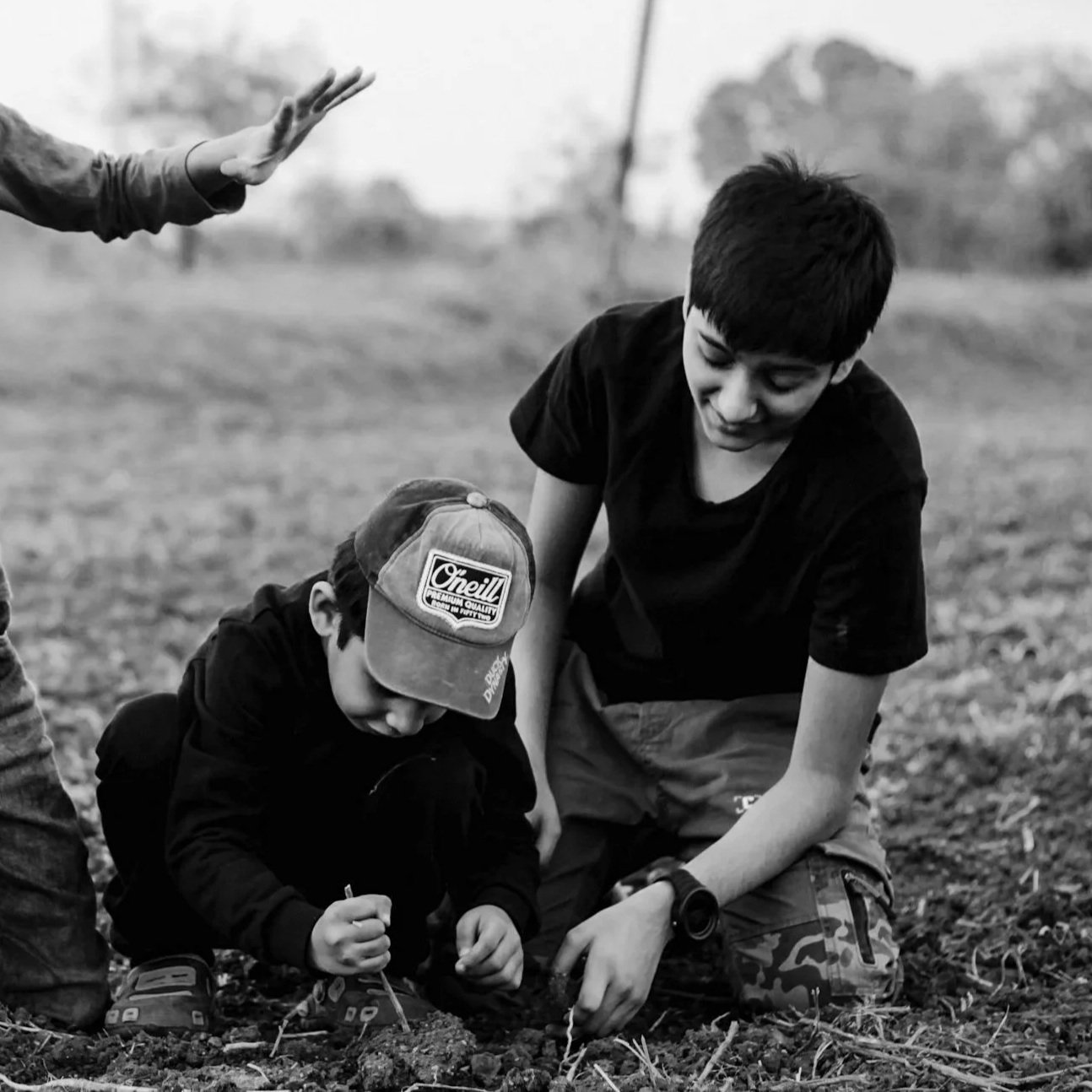
Kids who work with their hands, know how to fix things, and have spent time outdoors doing real work. This book was written in their language, and it respects what they already know.
-
![]()
Kids Curious About Space
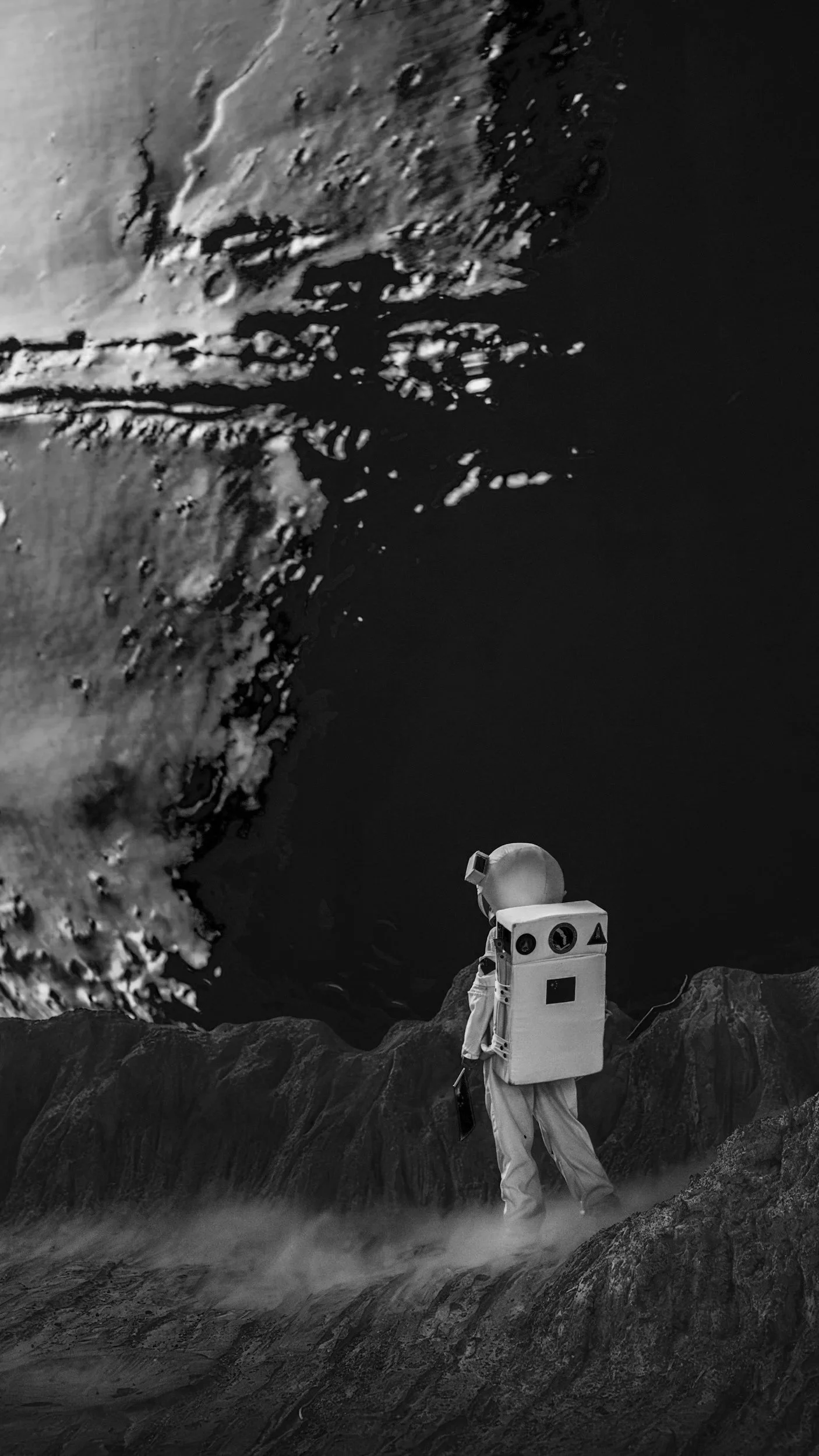
Kids who look up at the night sky and wonder. This book shows them the straight line from where they are to where they want to go.
-
![]()
Parents & Grandparents
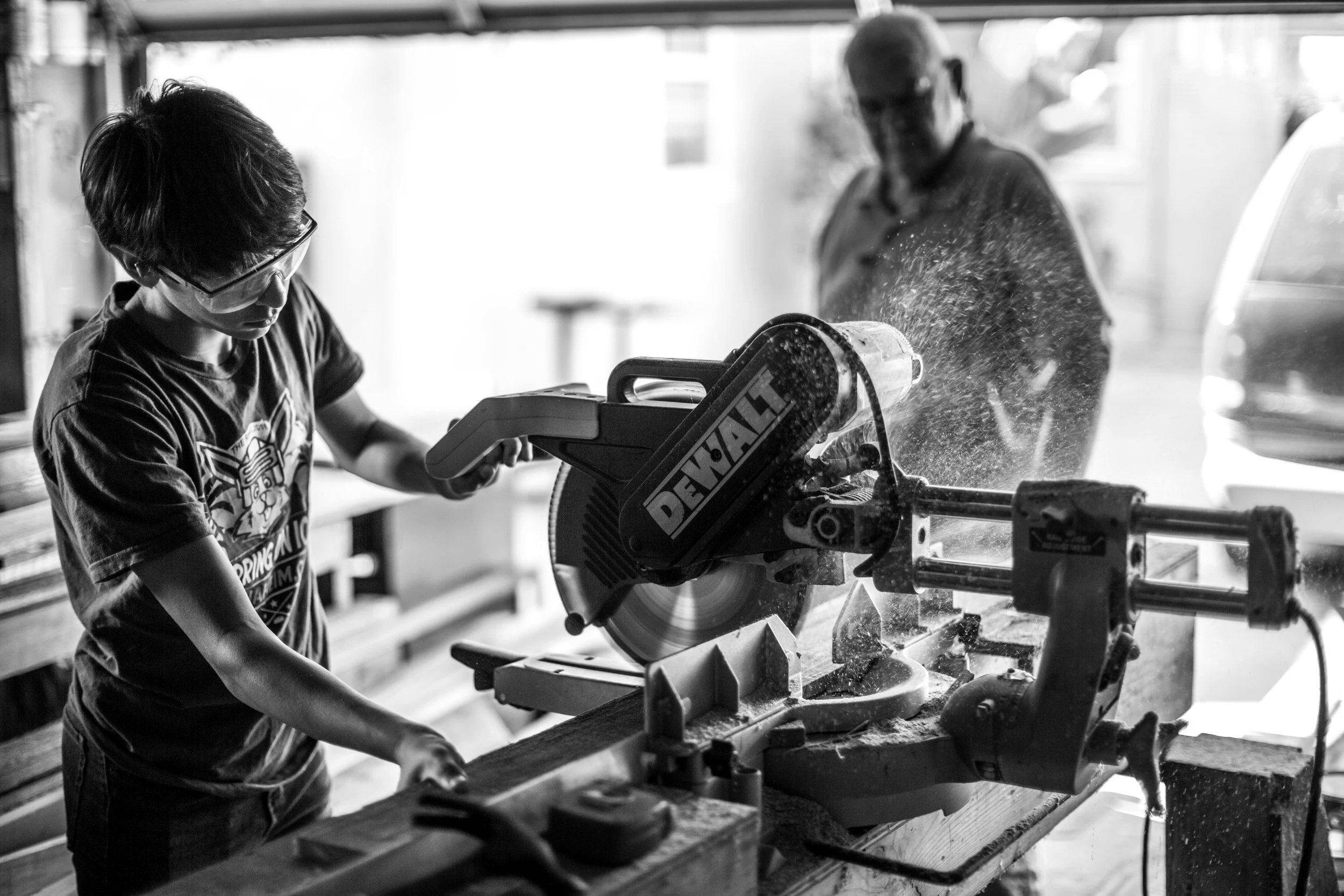
The book a parent buys because they want their child to understand that hard work and big thinking are not opposites. That grit and intellect are the same virtue, not competing ones.
-
![]()
Homeschool Families
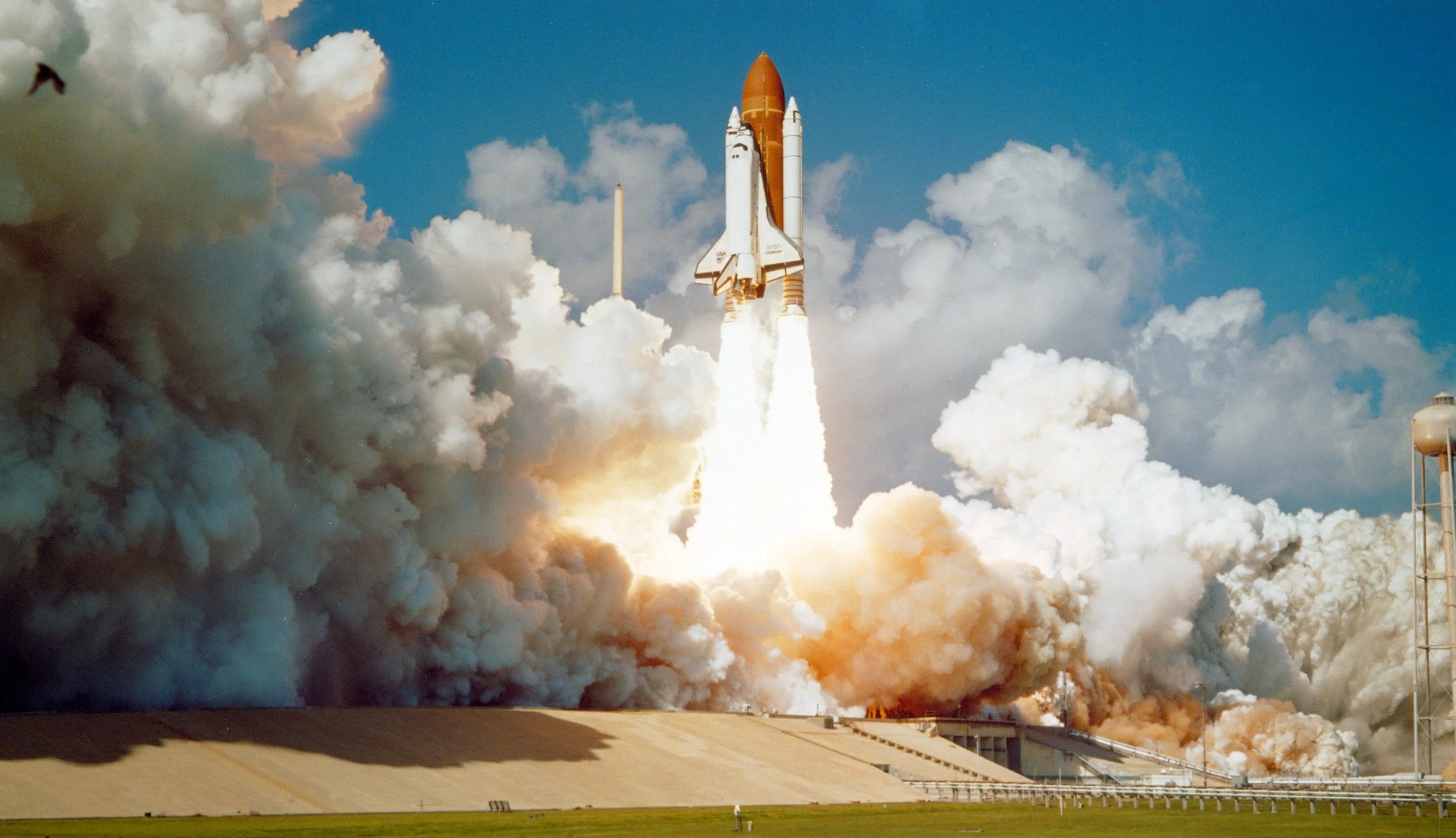
A complete STEM supplement covering physics, engineering, atmospheric science, fluid dynamics, thermodynamics, orbital mechanics, and applied math, all through outdoor hands-on experiments.

Frequently Asked Questions
-
Ranch Kid to Rocket Scientist is designed for kids of all ages. Younger kids can work through experiments with a parent or older sibling. Older kids can work more independently. The concept scale, a 7-year-old learns that tension and compression exist; a 13+ learns to calculate them.
-
No. Every experiment uses materials found on the ranch or available at any hardware store. A few experiments use basic measurement tools, a tape measure, a spring scale, a stopwatch, but nothing that requires a science supply store or specialty kit.
-
Yes, if functions as a complete hands-on STEM supplement. The seven chapters cover atmospheric science, structural mechanics, fluid dynamics, thermodynamics, mechanical engineering, orbital mechanics, and the engineering design process. Each experiment includes data recording, graphing, and analysis components that satisfy math and science requirements.
-
One Goal of this book is showing the future generation that we are more than our Certifications and Diplomas. Hands-on experience and know-how coupled with work ethic will carry you far in life. But if you are still not convinced, find Amanda and Travis on Linkedin and decide for yourself.
-
Most children’s’ science books are written for classrooms and urban environments. This one is written specifically for kids who work outdoors, connecting ranch work to aerospace engineering through the lens of two engineers who made exactly that journey. The voice is direct and respects what the reader already knows. There is no condescension, no oversimplification, and no science-fair-project energy. It reads like a rancher who went to NASA wrote it. Because two of them did.
-
Ranch Kid to Rocket Man: The Field Manual is currently in production. Sign up below to be notified the moment it’s available. Right now the goal is to ship all Pre-Orders in November 2026, prior to Christmas 2026.
Pre-Order Bonus
Pre-order before September 2026 and receive the Ranch Kid to Rocket Scientist Engineering Test Experiment Logbook
Nobody told us we were already learning rocket science.
We grew up in rural America. We fixed fence, hauled hay, ran irrigation lines, pulled engines, and spent more nights than we can count looking up at a sky so dark it felt like it was trying to tell us something.
Nobody handed us a book that said, “Everything you’re doing out here is engineering.” Nobody connected the tractor's hydraulics to the rocket engine's control valve system. Nobody told us that your air compressor was a pressure vessel or that welding and running a cutting torch were metallurgy. Nobody described building a pole barn and installing trusses as structural engineering. But we understood how and why it worked.
We figured it out eventually, but it took leaving the ranch to learn what the ranch had already taught us.
This book is the shortcut where we connect the dots and unlock that understanding and opportunity for the future generation.
For kids of all ages. For parents + grandparents who want their kids to know hard work was always training them for something bigger.
Pre-order your copy. Ships Q4 2026*.
Includes a free Engineering Log PDF when pre-ordered before September 2026.
Grab some Swag!

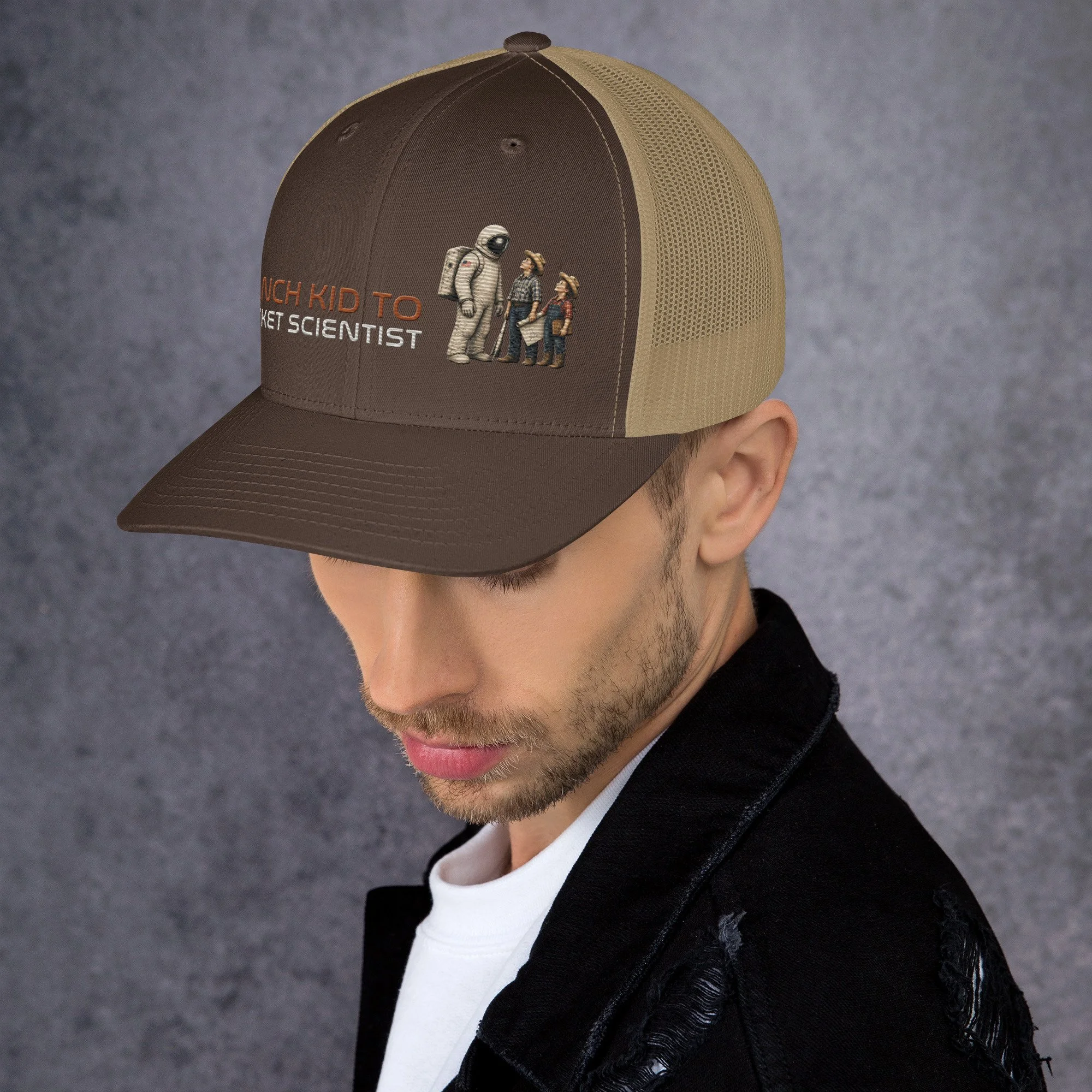
• 26% cotton, 74% polyester
• Mid-profile cap with a low-profile embroidery area
• Structured, six-panel cap
• 3.5″ crown (8.9 cm)
• Hard buckram front panels
• Mesh back
• Permacurv® visor, matching undervisor
• Plastic adjustable closure
• Head circumference: 21⅝″–23⅝″ (54.9 cm–60 cm)
• Blank product sourced from Vietnam or Bangladesh
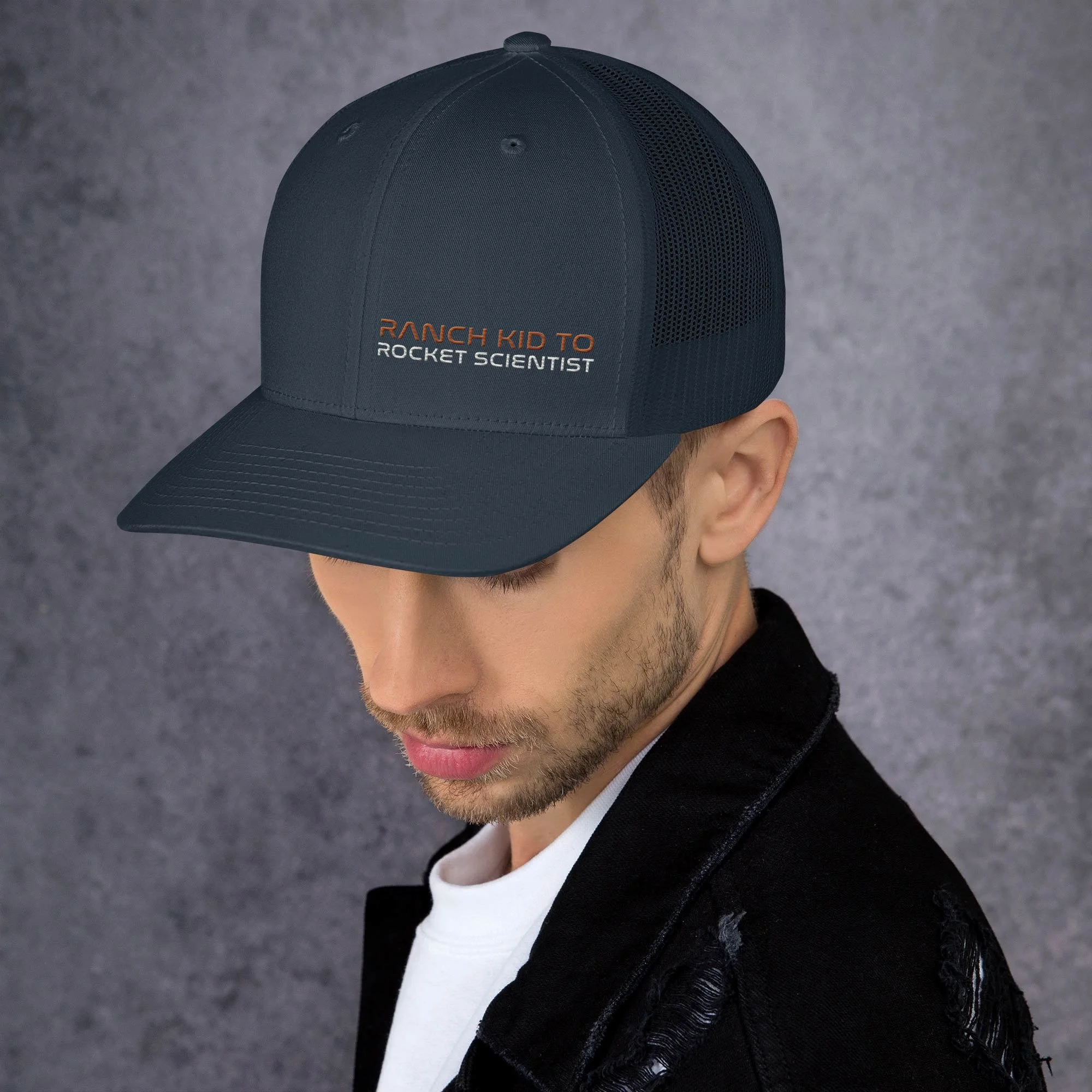
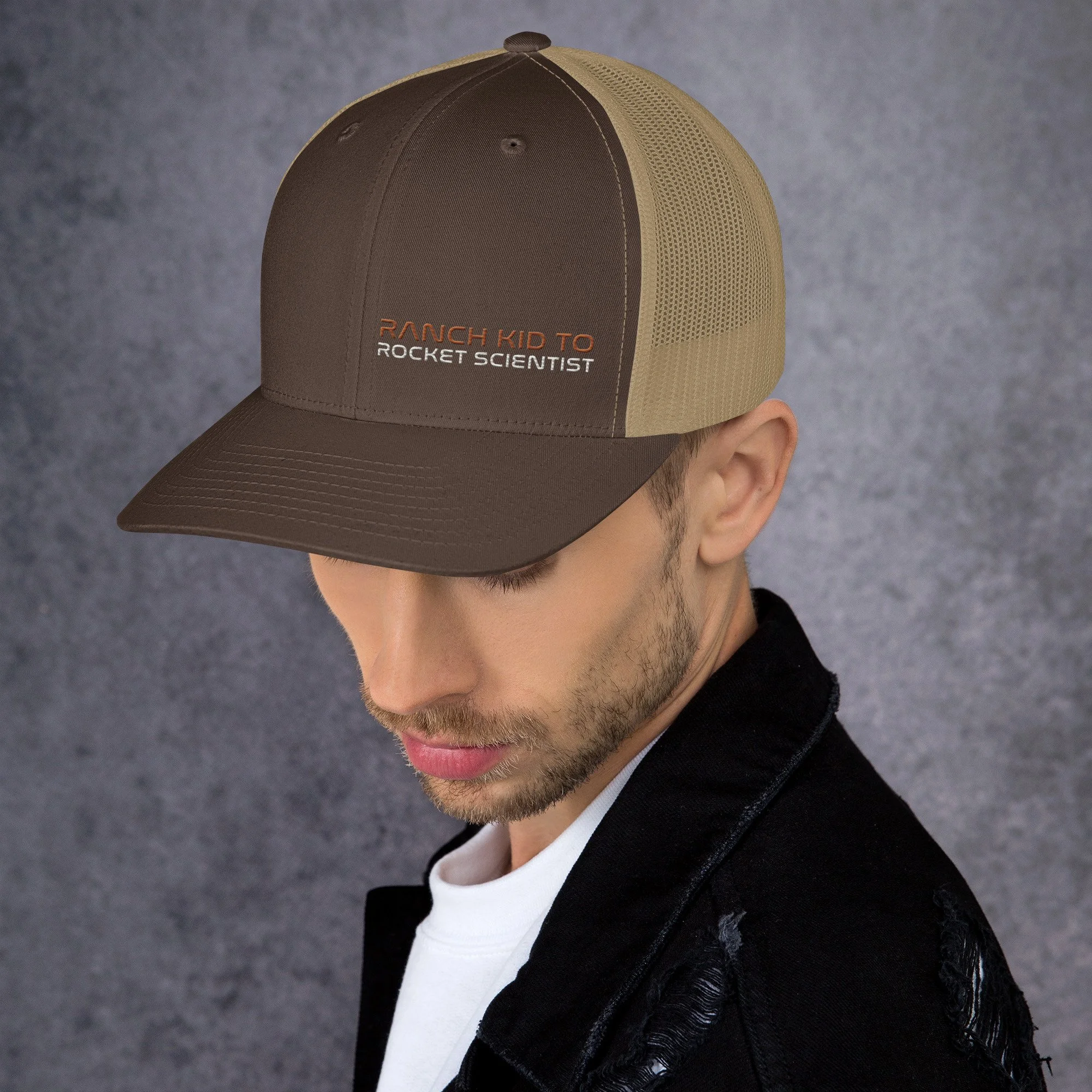
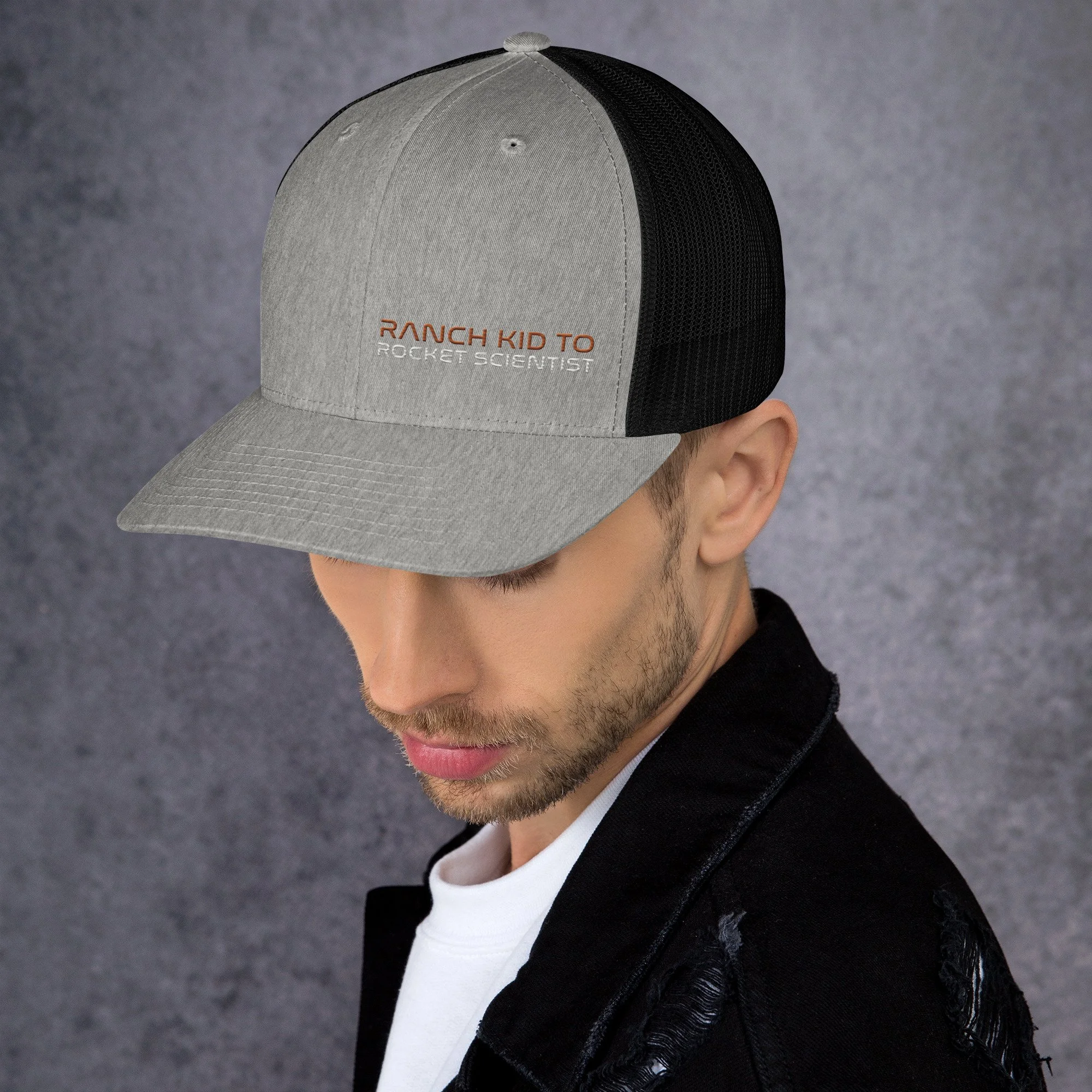
• 26% cotton, 74% polyester
• Mid-profile cap with a low-profile embroidery area
• Structured, six-panel cap
• 3.5″ crown (8.9 cm)
• Hard buckram front panels
• Mesh back
• Permacurv® visor, matching undervisor
• Plastic adjustable closure
• Head circumference: 21⅝″–23⅝″ (54.9 cm–60 cm)
• Blank product sourced from Vietnam or Bangladesh